Manchester Confined Space Cleaning for Safer Planned Entry and Better Contamination Control
Manchester Confined Space Cleaning for Safer Planned Entry and Better Contamination Control
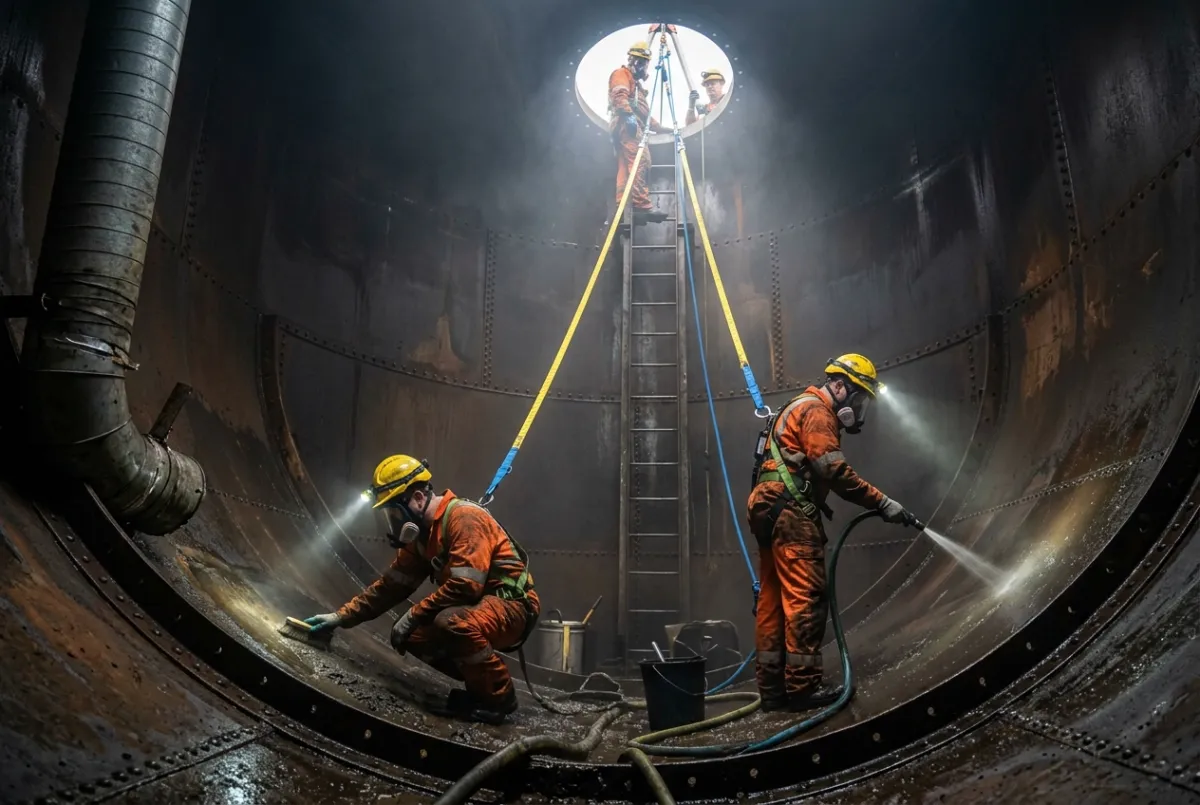
Confined spaces create a very different cleaning challenge from open industrial areas. Once the task involves chambers, tanks, pits, ducts or other restricted spaces, the focus shifts from simple cleaning efficiency to safe entry planning, contamination control and emergency readiness. Across Manchester and Greater Manchester, confined space cleaning is used where restricted-access industrial areas need specialist planning and methodical execution rather than standard site cleaning methods.
Alternative Cleaning Solutions NW Ltd frames its Manchester service around industrial sites, manufacturing areas and operational environments where projects are planned around safety procedures, risk assessments and live working realities. In that context, confined space cleaning is best treated as a planned industrial operation, not an add-on task to be improvised once contamination becomes too visible to ignore.
What confined space cleaning usually covers
This type of work may include cleaning tanks, pits, chambers, enclosed plant areas, ducts, restricted service zones or other spaces where access is limited and the environment must be assessed carefully before anyone enters. The main aim is to make the space cleaner and more manageable while controlling the risks that come with entry, restricted movement, ventilation and contamination.
Confined space cleaning often overlaps with industrial degreasing & deep cleaning where residues inside the space are oily, process-related or difficult to remove using routine methods. It can also connect with high-level or external support where access equipment, staging or safe approach routes are needed before the cleaning team can begin.
Why Manchester operators plan confined space work carefully
The key issue is not just that the space is small. It is that the risk profile changes significantly once workers are entering enclosed or largely enclosed areas with limited access and potentially hazardous conditions. HSE explains in its guidance on confined spaces that risks may include fire, explosion, loss of consciousness, asphyxiation and drowning, and that work should be avoided where possible or otherwise assessed and planned with suitable controls and emergency arrangements.
For Manchester sites, that means a confined space clean should never be priced or planned as if it were a standard plant-room washdown. Entry procedures, ventilation, rescue considerations, contamination type and worker competence all influence the safe method and therefore the real cost and timing of the job.
Budget and programme expectations
ACS does not list fixed prices, which is appropriate because confined space scope varies too much. As a broad planning guide, smaller limited-entry cleans may begin in the high hundreds where conditions are straightforward and the task is tightly defined. Multi-stage confined space projects, higher contamination levels, ventilation needs, rescue provision or complex industrial conditions can move budgets into the low thousands and sometimes beyond.
Timing also varies widely. One short planned-entry clean may fit into a single maintenance window. More complex spaces often require staged preparation, gas checks, equipment setup, controlled cleaning time and structured handover, which can extend the programme across one or more days.
| Confined space cleaning format | Best fit | Typical timing | Main benefit |
|---|---|---|---|
| Single-entry clean | One defined chamber or tank | One maintenance window | Faster local contamination control |
| Staged confined clean | Larger or more complex restricted spaces | 1-2 days | Better control of entry and handover |
| Shutdown-linked restricted-area clean | Confined areas released during planned outage | 1-3 days | Safer integration with wider maintenance |
| Recurring specialist clean | Spaces with repeated contamination build-up | Scheduled attendance | More predictable entry planning |
How to manage the work more effectively
Define whether entry is truly necessary
The first question is whether the work can be avoided, reduced or completed with another method. If entry is required, the space should then be assessed based on actual risk, not just habit or site tradition. This is where the difference between a routine clean and a specialist confined-space project becomes most obvious.
Connect the clean to the wider maintenance plan
Confined spaces rarely sit in isolation from the rest of the site. The most effective jobs are usually planned alongside related works so that staging, labour and safe access are coordinated. For example, exterior access or upper approach areas may justify linked high-level & access cleaning before the restricted-space team even begins entry preparations.
Learn from comparable industrial cleaning strategies
North West operators often compare how similar facilities control contamination and organise planned entry. In that sense, broader factory and industrial cleaning programmes can still offer useful lessons on sequencing, housekeeping discipline and how to prevent contamination from spreading into harder-to-manage areas in the first place.
Signs confined space cleaning needs earlier planning
If contaminated spaces are being left until shutdown week, if maintenance teams keep losing time preparing chambers or pits before entry, or if the risk assessment process keeps revealing more residue and build-up than expected, the cleaning element is probably being planned too late. Earlier surveys and a clearer confined-space scope usually produce safer delivery and fewer programme surprises.
FAQ
What counts as a confined space for cleaning work?
It is typically an enclosed or largely enclosed space with a reasonably foreseeable specified risk, such as low oxygen, harmful fumes, flooding or other dangerous conditions that require planned controls.
What affects confined space cleaning cost in Manchester?
The biggest factors are entry complexity, contamination type, ventilation and rescue requirements, equipment, duration, number of entries and the wider industrial setting around the space.
Can confined space cleaning be done during normal operations?
Sometimes, but many sites prefer to align it with planned maintenance windows so risks, access and isolation can be managed more effectively.
Why should confined space cleaning never be treated as routine?
Because the risk profile is fundamentally different from open-area cleaning and the method must account for entry controls, atmosphere, emergency arrangements and competence.
CTA
If your site needs a carefully planned confined space cleaning programme in Manchester or Greater Manchester, request a quote from Alternative Cleaning Solutions NW Ltd for a scope built around safer entry planning and industrial contamination control.
